


Why is it so important to offer oral cancer screening in your practice?
It is important to understand the following:
Oral cancer is one of the few oral diseases encountered by the oral health team that has significant morbidity and premature mortality.
Tobacco products, alcohol consumption and sun exposure are the most recognised risk factors, but the incidence of human papillomavirus (HPV)-related oral cancer has also been on the rise, particularly in younger adults who have never smoked or used other tobacco products.
It is essential that oral health professionals (dentists, dental hygienists, dental therapists, and oral health therapists) understand the importance of conducting a thorough oral screening examination for malignant and potentially malignant lesions as part of their routine clinical assessments, even in younger populations originally considered at lower risk for oral cancer.
The importance of early detection and the role of dental professionals in oral cancer screening is discussed below:
- A conventional oral examination is a feasible and satisfactory option for opportunistic screening in dental settings with sensitivity and specificity similar to breast and cervical cancer screening programmes.
- Early diagnosis of oral cancer can greatly increase the five-year survival rates from less than 50% to almost 90%.
- Oral cancer is known to be amenable to early detection, as it primarily occurs at sites that are accessible and visible during a non-invasive examination.
- Oral cancer is often preceded by a visible precancerous lesion, enabling early detection and treatment.
- The tumour's proliferative factor and stage at the time of diagnosis largely determine the prognosis of cancers.
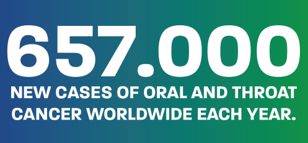
Fig. 1. New cases of oral and throat cancer worldwide each year.
(Source: World Health Organization, 2020).
- Only 30% of oral cancers are identified at an early stage, with the majority being diagnosed at an advanced stage of metastasis (stage III or IV).
- Late presentation, delayed diagnosis and lack of a clear referral pathway between doctors and dentists are common.
- Screening is, by definition, for asymptomatic patients.
- The goal of screening is to find patients with cancer prior to the development of symptoms.
- Oral cancer screening lasts few minutes and is a chairside procedure.
What are the components of effective screening programmes?
The screening test must be easy, reliable, and cost-effective. An oral screening exam is easy and inexpensive. Early-stage disease can have as high as a 90% five-year survival with proper treatment.
Early detection increases both patient and practitioner knowledge of the signs and symptoms of head and neck cancer and improves screening for oral cancer in asymptomatic patients.
The FDI World Dental Federation recognises that oral cancer is a major public health issue worldwide.
Cancer of the lip, mouth and pharynx combined is the sixth most common site of malignancy. A systematic oral mucosal examination, by visual means and digital palpation, should be part of every dental examination procedure.
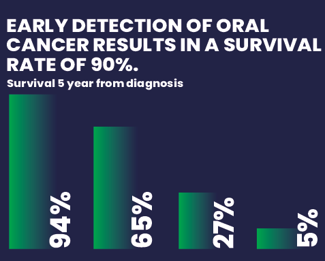
Fig. 2. Survival rate from diagnosis.
(Source World Health Organization, 2020).
What are the barriers that prevent dental professionals from performing oral cancer screening in their practice and how to circumvent them?
The main reasons why oral health professionals do not perform a complete oral cancer screening can be summed up in the following:
- Lack of awareness of oral cancer risk and clinical signs. Unfortunately, most cases of oral cancers are diagnosed when the symptoms clearly appear because of the progress of the disease.
- Time. Assuming that dental professionals have the knowledge, skills and professional integrity to screen for oral cancer, it should be investigated whether dental professionals are transferring their knowledge of oral cancer screening into practice.
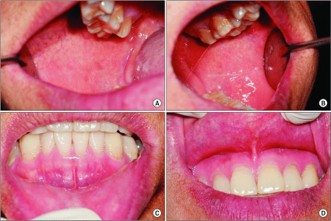
Fig. 3. First visit the 10-year survival for all cancer-types in the UK
Time as a barrier to oral cancer screening, an emblematic study.
In many countries, dental hygienists perform the screening. We report a recent and emblematic study [Tax et al. (2015) - Oral cancer screening:] Knowledge is not enough through which it was asked of dental hygienists to identify the barriers that prevented them from performing routine and comprehensive intra-oral and extra-oral examinations. Dental hygienists perceived themselves knowledgeable; however, a number of obstacles prevented them from comprehensively screening.
The most significant barriers were the following: lack of time (45.3%), the GP already performing the examination (21.6%) and concern about patient compliance (7.1%).
The results of this study indicate a major disconnect between knowledge and actual practice. These results are concerning, as it is known that early detection of oral cancer is a critical factor for improving survival rates.
There is evidence to suggest that increased regularity of dental examinations is associated with earlier stage diagnosis for oral and pharyngeal cancer, so efforts should be made to screen for oral cancer during recall examinations. When dental hygienists are performing the examinations, most appear to be conducting only a partial examination.
These results are consistent with other studies that indicated dental hygienists need to be more attentive to performing comprehensive intra-oral and extra-oral examinations that include both visual and tactile components.
Since dental hygienists perceive they are knowledgeable in their ability to perform the examination, what is preventing them from doing so?
In many studies, lack of time has been considered the biggest hindrance to performing comprehensive intra-oral and extra-oral examinations.
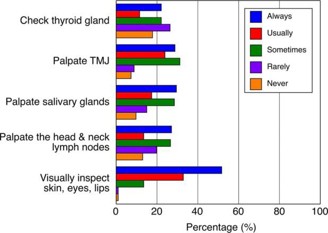
Fig. 4. Comprehensiveness of Extra-oral Examination
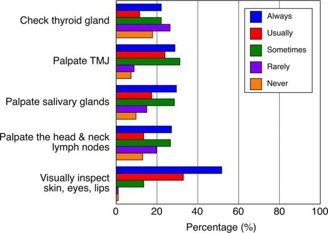
Fig. 5. Comprehensiveness of Intra-oral Examination
The reality is that it takes less than 5 minutes to complete a comprehensive intraoral and extraoral examination, so it should be possible to incorporate this examination into regular appointments.
Unfortunately, the decision to provide extra time to complete oral cancer screenings is often determined by the practice orientation and ‘there may be potential conflict within the orientation of practice – is it to be a health service provider or a small business with a profit-driven orientation?’
The reality of practice is that appointment times are usually decided by the scheduler, so hygienists are often not given adequate time to complete additional services such as intra- and extra-oral examinations.
Similar to the dental hygiene studies, the literature indicates that most dentists are comfortable with the visual component of the oral cancer examination but are less likely to perform the tactile component of the examination.
Some studies indicated that a high percentage (80–90%) of dentists self-report performing oral cancer screenings; however, these studies should be viewed with caution. The self-reports are often based on a perception that a visual examination constitutes oral cancer screening and are not based on a uniform definition of a comprehensive examination. Several studies have shown that dentists and dental hygienists are looking for lesions; however, it must be emphasised that visual examinations are considered partial examinations, and intra-/extra-oral examinations must include both a visual and tactile component; otherwise, abnormalities can easily be missed.
Dental hygienists can play an important role in making patients aware of oral screening procedures and, in doing so may influence patient demand for such screenings.


Further, professional dental hygiene associations can be avenues for informing the public of the need for comprehensive oral cancer screenings during routine dental appointments. Mass media channels are the ‘best for communication of awareness and knowledge’.
Dentists and dental hygienists need to work collaboratively to ensure the best care for their patients. The availability of simple aided devices for performing oral cancer screening may also contribute to driving the attention of the dental office toward the effective implementation of oral cancer screening during the routine procedures. Moreover, public awareness regarding oral cancer screenings is also important and could increase the demand for these examinations during recall appointments.
Conclusion
The evidence shows that early detection of oral cancer saves lives; therefore, both dentists and dental hygienists have an ethical and professional responsibility to perform routine intra-oral and extra-oral examinations on their patients for the purpose of detecting abnormalities and as a means to screen for oral cancer.
Recommendation
Initial symptoms of oral cancer are very easy to miss, meaning many aren’t diagnosed until the disease is quite advanced.
Early detection and treatment are essential to surviving the disease, which is why always perform an oral cancer screening during regular checkups, that includes extra- and intra-oral examination searching for suspicious growths and sores in and around the mouth.
If something is spotted, dental professionals should help patients quickly get the follow-up care they need.

Fig. 6. The British dental dealer DENTAL SKY is distributor of oral cancer screening tools like GOCCLES

Fig. 7. Goccles receives the Edison Awards Best New Product Silver Award

