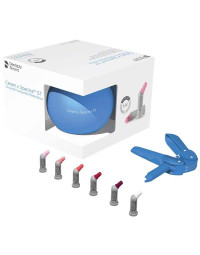
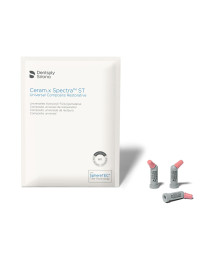
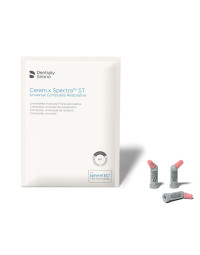
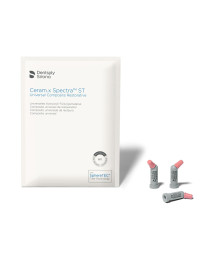
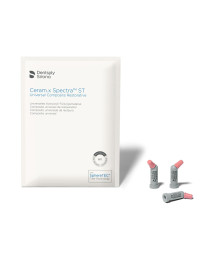
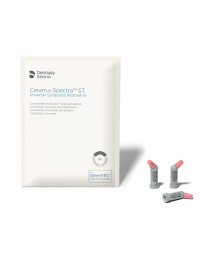
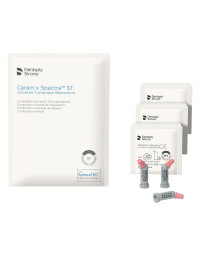
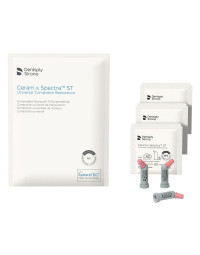
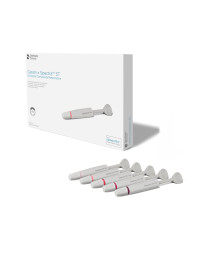
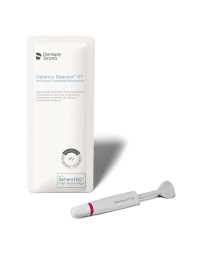
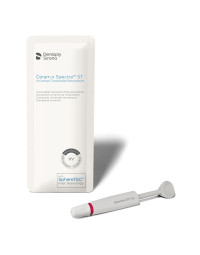
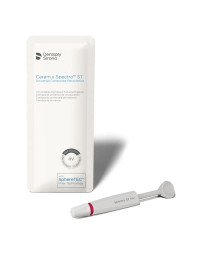
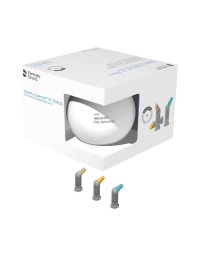
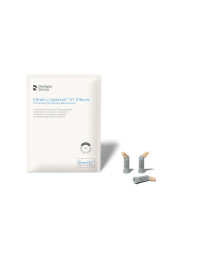
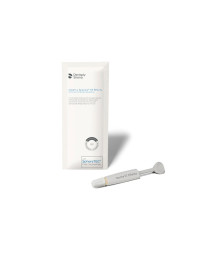
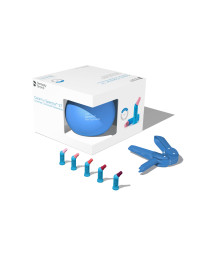
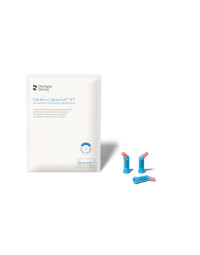
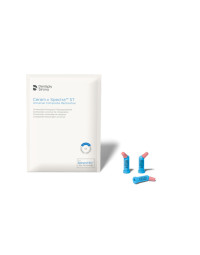
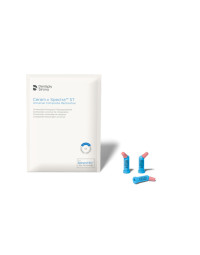
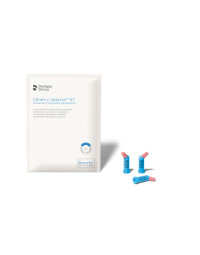
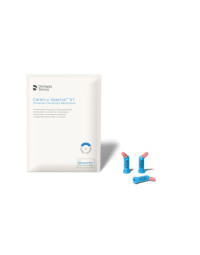
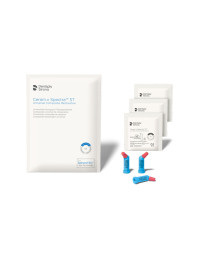
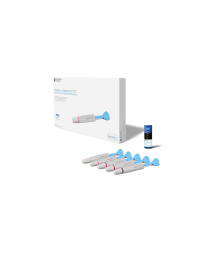
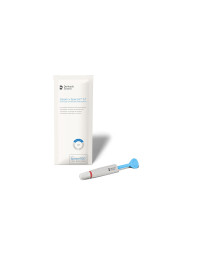
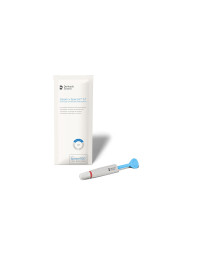
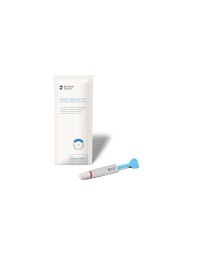
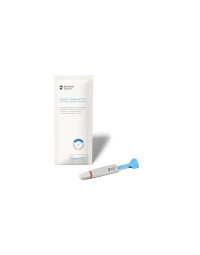
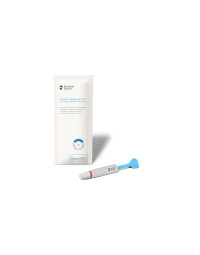
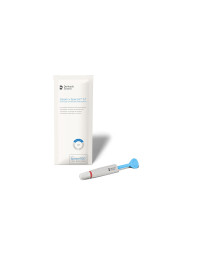
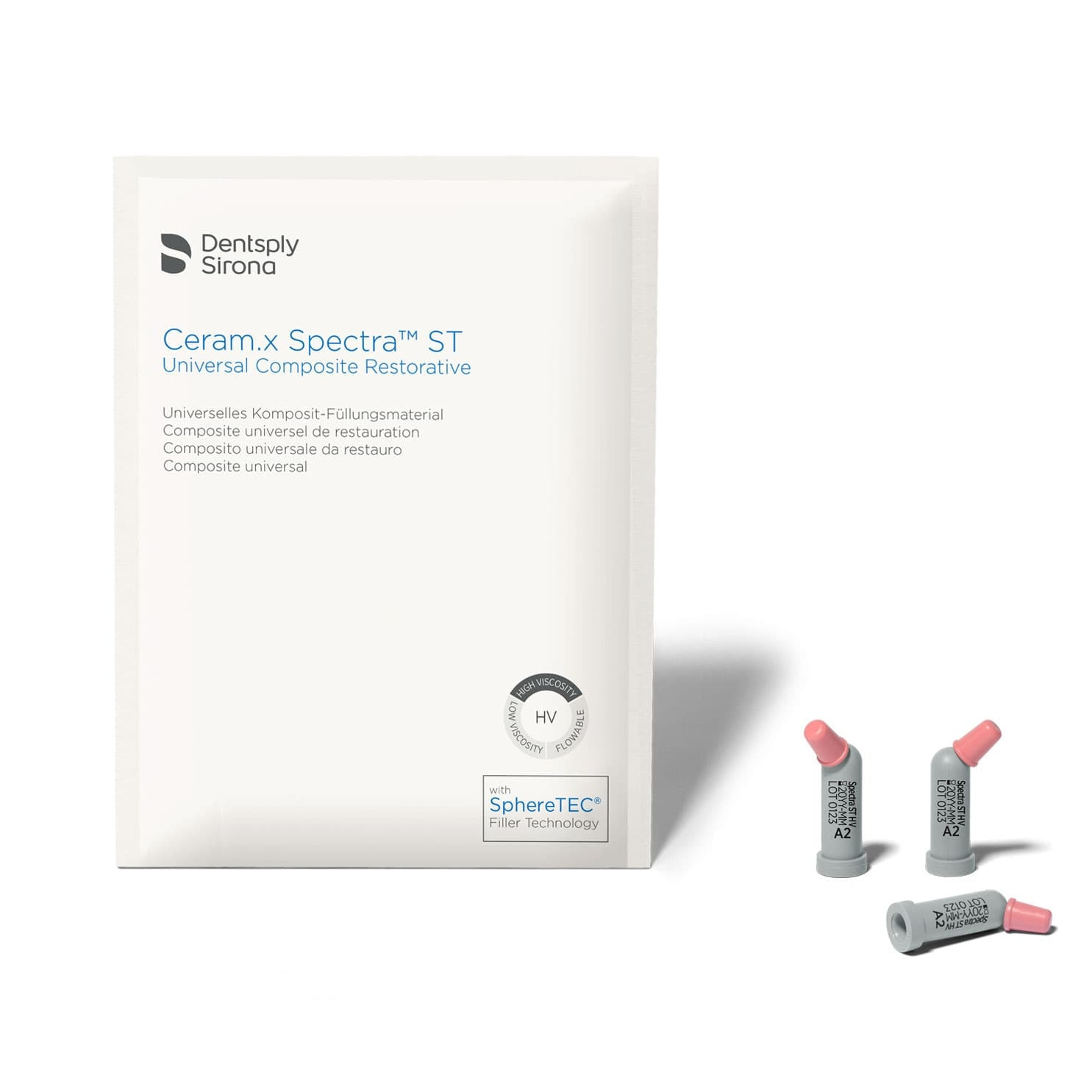
When choosing a restorative composite, clinicians often face a familiar challenge: balancing handling, shade matching, aesthetics, and long-term performance. Many materials excel in one area but require compromise in another. Ceram.x Spectra ST was developed to eliminate that compromise, providing a restorative system that combines simplicity with clinical versatility.
Designed Around the Way You Work
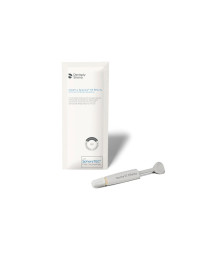
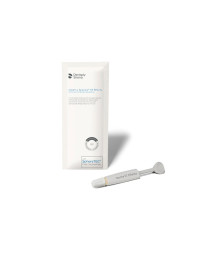
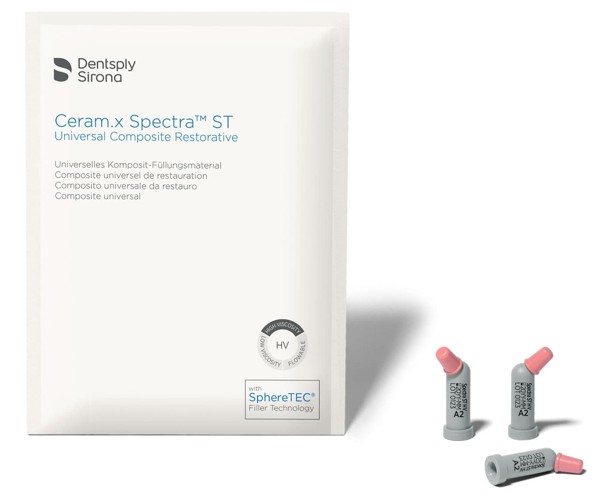
Every dentist has a preferred handling style. Some prefer a firm, packable composite, while others favour a creamier consistency that adapts easily to cavity walls. Ceram.x Spectra ST offers both High Viscosity (HV) and Low Viscosity (LV) options, along with a flowable version for cases requiring enhanced adaptation.
Powered by SphereTEC Filler Technology, the material is designed to reduce stickiness, improve sculptability, and provide excellent adaptation to cavity surfaces. The result is a composite that feels predictable and controllable throughout the restorative procedure.
Simplified Shade Matching
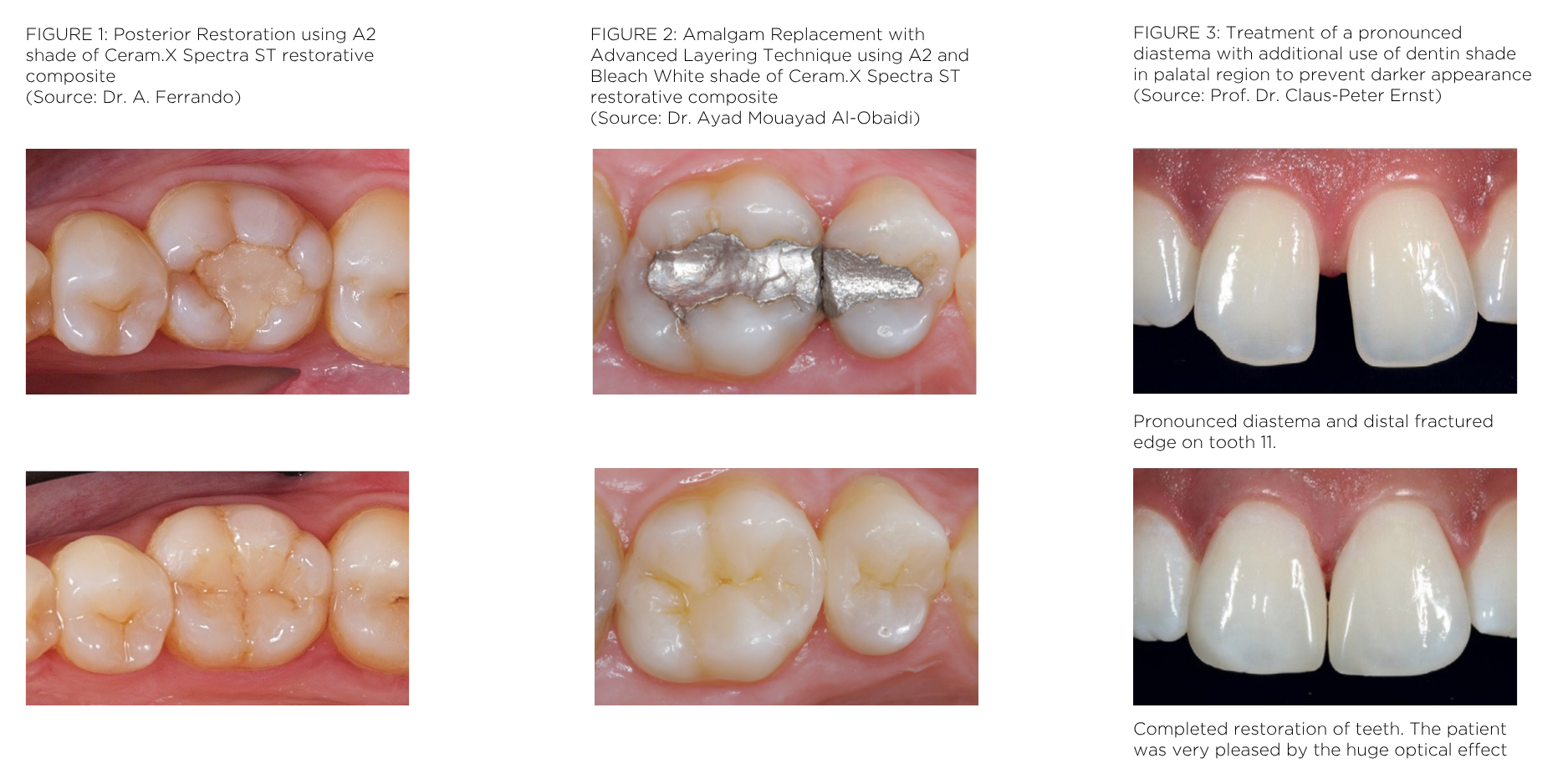
Shade selection can be one of the most time-consuming aspects of restorative dentistry. Ceram.x Spectra ST addresses this challenge through its CLOUD shade concept and advanced blending capability, often referred to as the “chameleon effect”. (1)
Rather than maintaining a large inventory of shades, clinicians can begin with the versatile A2 shade, which is recommended for posterior restorations and many everyday cases. The system’s five universal CLOUD™ shades are designed to cover the full VITA shade range, helping simplify inventory management while still delivering natural-looking results.
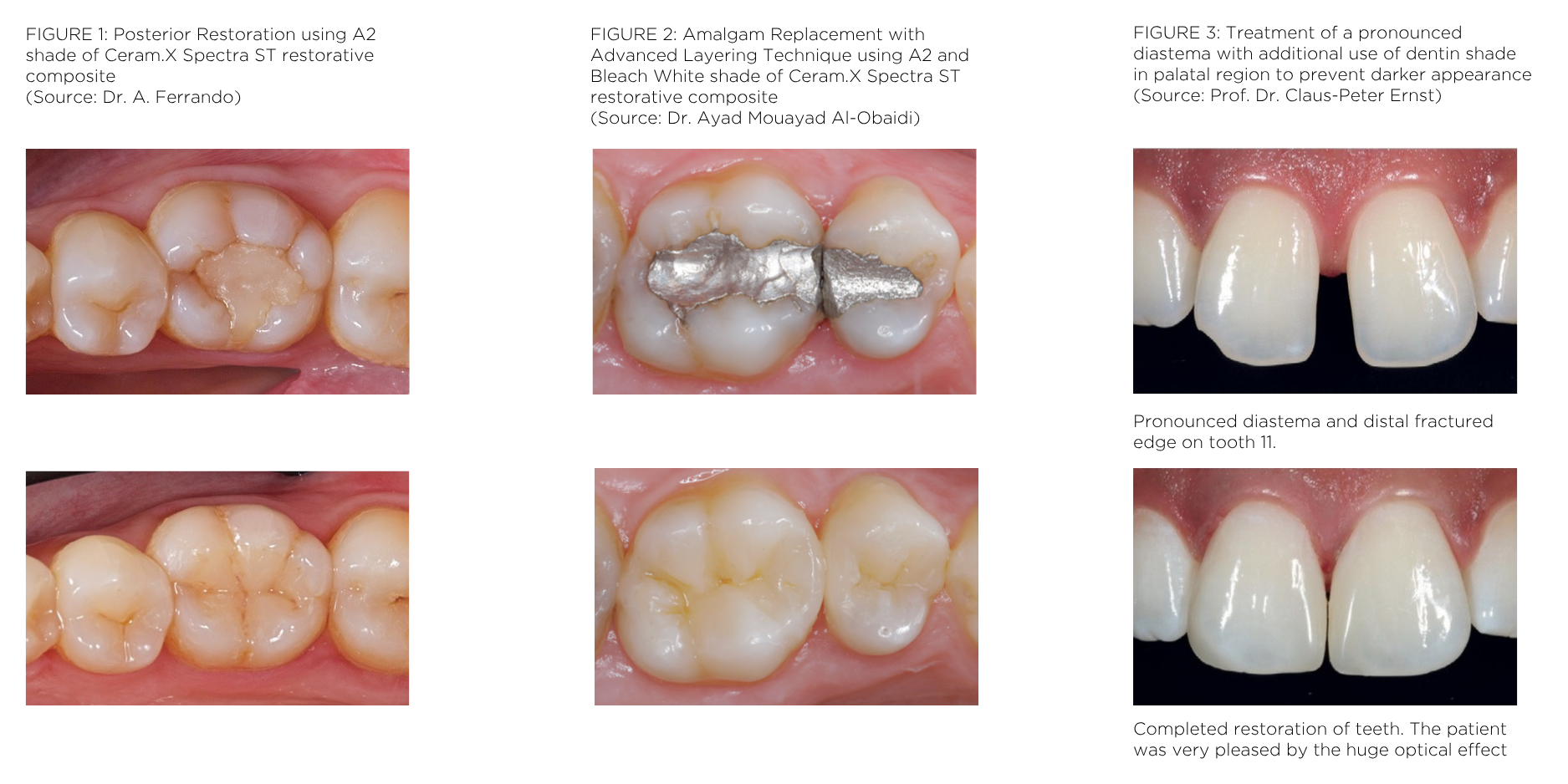
For more demanding aesthetic situations, additional options are available, including bleach white, opaque dentin, and translucent enamel shades. This gives clinicians the flexibility to move from simple single-shade restorations to more advanced layering techniques when needed.
Evidence Behind the Aesthetics
Natural-looking restorations are about more than matching colour on the day of placement. They require a material capable of blending seamlessly with surrounding tooth structure. Research has shown that patients are highly aware of colour discrepancies between restorations and adjacent teeth, making accurate shade matching a critical component of treatment success. (1) (4)
A published study comparing single-shade, group-shade, and multi-shade composite systems found that Ceram.x Spectra ST achieved strong shade-matching performance across several common VITA shades, demonstrating effective visual integration while requiring fewer shades than some traditional multi-shade systems. (3)
A second study evaluating anterior restorations reported that universal multi-shade composites, including Ceram.x Spectra ST, provided superior colour matching compared with a single-shade universal composite system, particularly in common shades such as A2 and A3. (2)
This combination of simplicity and aesthetic performance can help clinicians spend less time searching for the perfect shade and more time focusing on treatment outcomes.
Built for Everyday Versatility
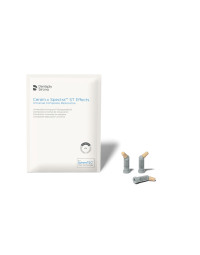
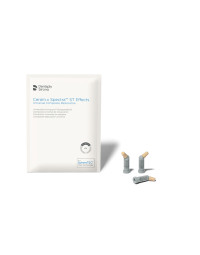
One of the strengths of Ceram.x Spectra ST is its broad clinical applicability. The system can be used across Class I–V restorations and a wide range of direct restorative procedures. The flowable version is particularly useful for Class V restorations and minor repairs, while Ceram.x Spectra ST Effects can be combined with the universal composite to create highly aesthetic anterior restorations.
Whether restoring a posterior occlusal surface, closing a diastema, repairing an incisal edge, or creating orthodontic attachments, the system provides a consistent workflow and predictable results.
Long-Term Confidence
Patients expect restorations to look good not only immediately after treatment but also years later. Ceram.x Spectra ST was developed with durability in mind, helping clinicians deliver restorations that maintain their appearance over time.
Clinical cases featured in long-term follow-ups demonstrate aesthetic performance extending several years after placement. The material has also been highlighted for its stain resistance, an important consideration given the prevalence of composite staining observed during routine recall appointments.
For practices focused on patient satisfaction and restoration longevity, these qualities can contribute to greater confidence in everyday treatment decisions.
The Bottom Line
Ceram.x Spectra ST is more than just another composite. It is a restorative system designed to simplify clinical workflows while maintaining the flexibility needed for both routine and highly aesthetic cases.
With intuitive shade selection, excellent handling characteristics, versatile viscosity options, and proven aesthetic performance, it offers a practical solution for clinicians who want predictable results without unnecessary complexity.
For many dentists, the appeal of Ceram.x Spectra ST comes down to one simple idea: achieving outstanding restorations with less effort and greater confidence.
References
Dentsply Sirona. Ceram.x Spectra™ ST Interactive Brochure. Dentsply Sirona; 2023 available upon request.
- Joiner A. Tooth colour: A review of the literature. Journal of Dentistry. 2004;32(Suppl 1):3–12.
- de Abreu JLB, Sampaio CS, Benalcázar Jalkh EB, Hirata R. Analysis of the colour matching of universal resin composites in anterior restorations. Journal of Esthetic and Restorative Dentistry. 2021;33:269–276.
- Iyer RS, Babani VR, Yaman P, Dennison J. Colour match using instrumental and visual methods for single, group, and multi-shade composite resins. Journal of Esthetic and Restorative Dentistry. 2021;33(2):394–400.
- Douglas RD, Brewer JD. Acceptability of shade differences in metal-ceramic crowns. Journal of Prosthetic Dentistry. 1998;79(3):254–260.