In the late 1970s, dentistry changed.
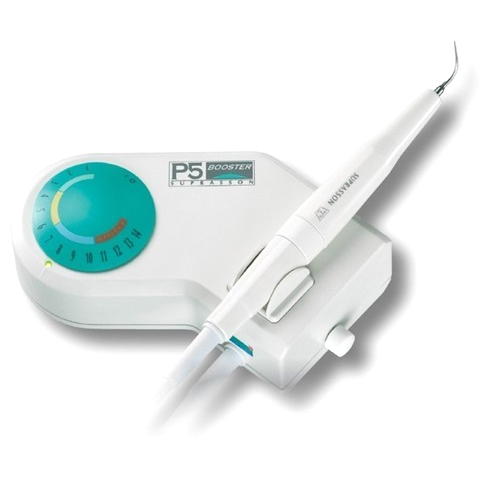
For the first time, clinicians could scale using controlled, linear ultrasonic vibration rather than uncontrolled multi-directional movement. That innovation came from Acteon, known to many clinicians by its historic name Satelec, who introduced the first piezoelectric ultrasonic scaler to the dental market.
Those early pioneering systems were marketed under the Suprasson name, the foundation of what would later evolve into the Newtron® range and ultimately Piezotome® surgical systems. More than four decades later, that same core philosophy remains: precision first.
Why Linear Vibration Matters
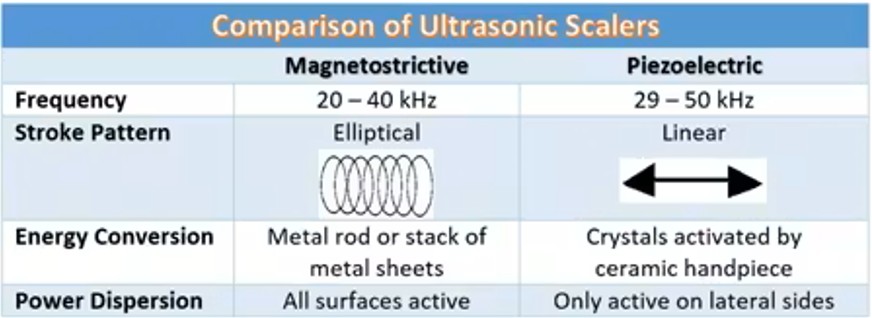
Traditional magnetostrictive ultrasonics produce elliptical, multi-directional motion. While effective, this creates unnecessary heat with greater vibration feedback and less controlled energy transfer.
Piezo technology introduced a different approach — a perfectly controlled linear back-and-forth movement along a single axis.
In practical terms, this means:
- More precise tip control
- Minimal heat production, supporting tissue vitality
- Less need for pressure during scaling
- Reduced vibration feedback to the clinician
The system also incorporates real-time power modulation, automatically adjusting output depending on resistance at the tip. The result is consistent efficiency without unnecessary force which is something clinicians appreciate during long clinical sessions.
Designed for Clinical Safety and Visibility
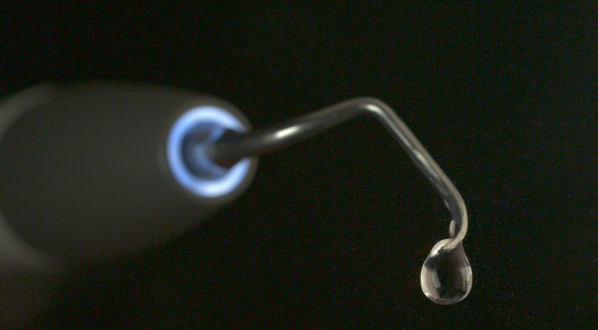
Another defining feature of the Newtron legacy is irrigation delivered directly at the end of the tip.
This provides:
- Effective cooling
- Reduced thermal risk
- Lower likelihood of tissue trauma
- Improved visibility during procedures
Whether performing prophylaxis, periodontal therapy, endodontic procedures or implant maintenance, controlled vibration combined with precise irrigation supports safer, more conservative treatment.
Available Across the Acteon Ultrasonic Range
Today, Newtron Piezo technology is available across Acteon’s ultrasonic portfolio.
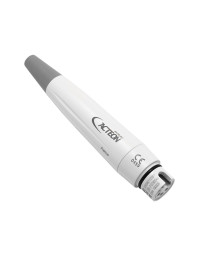
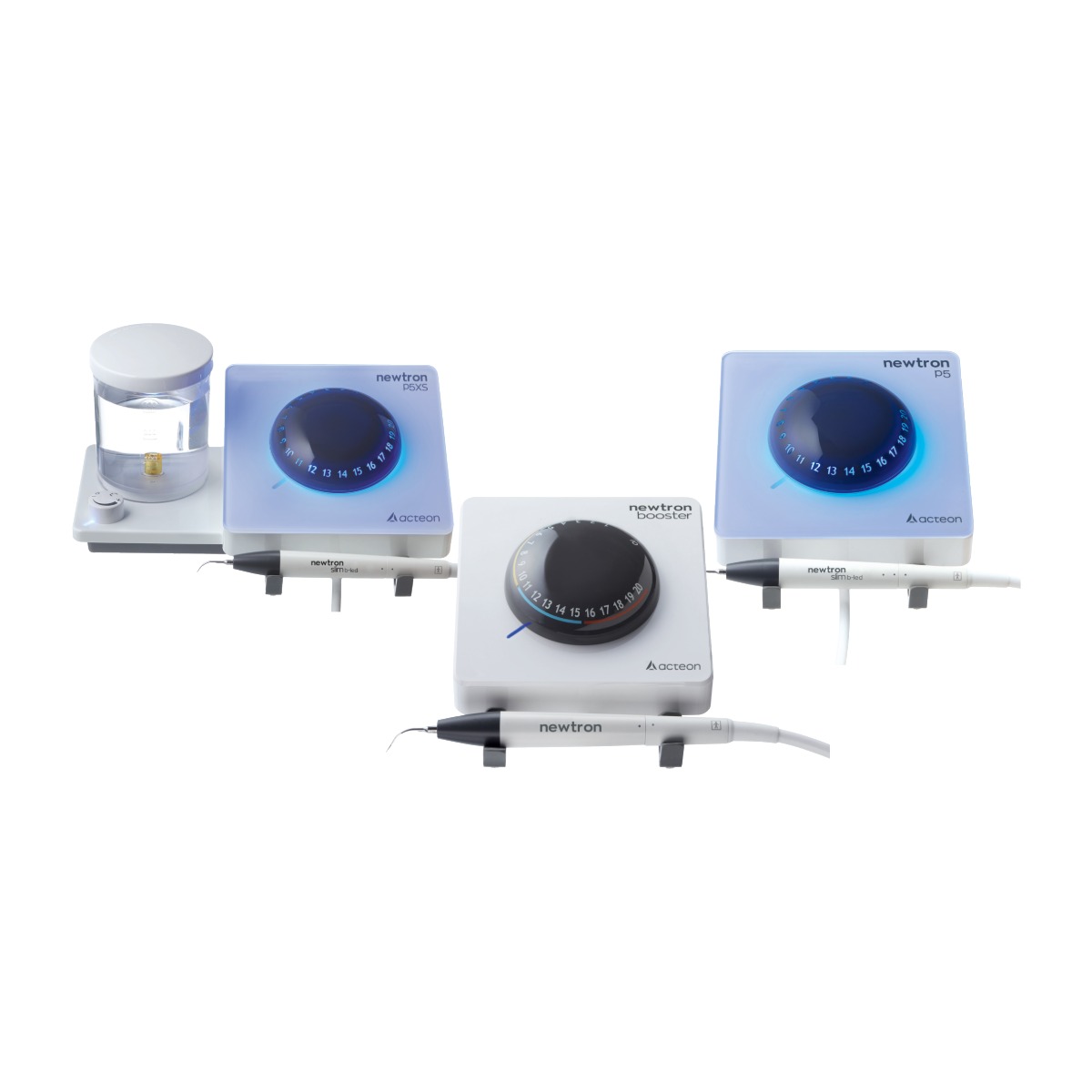
For chair-integrated setups, clinicians may have an Acteon ultrasonic system built directly into their dental unit using either the Newtron handpiece or the Newtron Slim BLED handpiece. The Suprasson handpiece is also still available using the original Piezo technology.
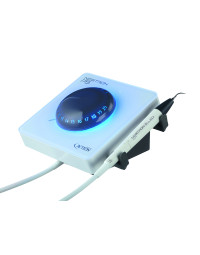
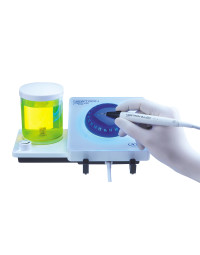
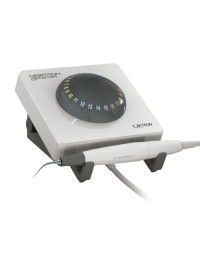
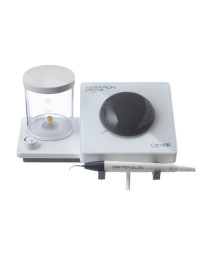
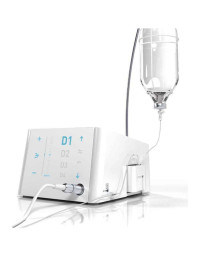
Standalone units include:
Each system delivers the same core technology: controlled linear vibration, intelligent power regulation and optimised irrigation. This ensures consistent performance regardless of configuration.
From Scaling to Surgery: The Evolution to Piezotome®
The same piezoelectric principles developed in the late 1970s later expanded into surgical applications.
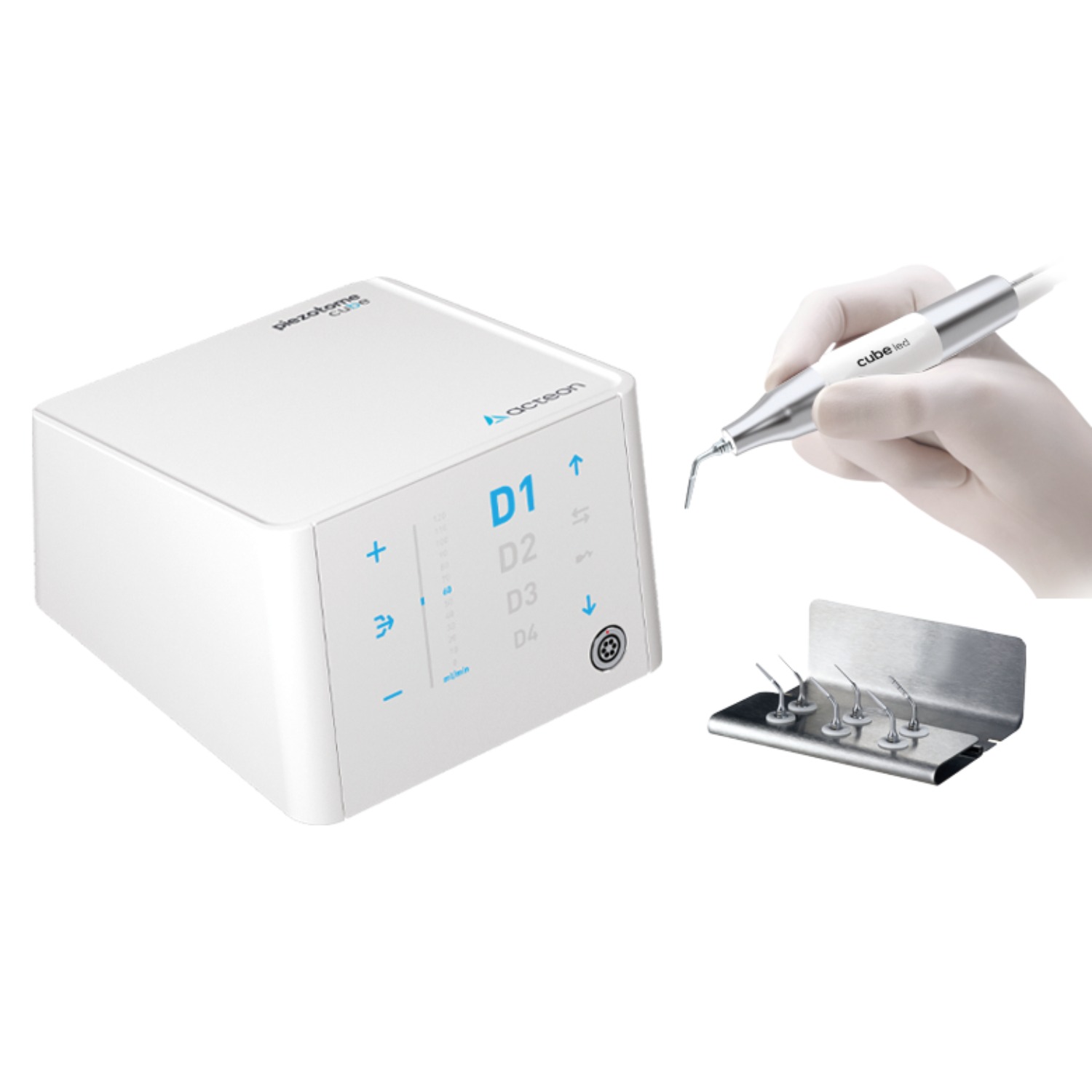
Acteon’s Piezotome® systems, including the Piezotome® Cube, apply controlled ultrasonic vibration to bone surgery, allowing clinicians to cut bone while preserving surrounding soft tissue structures. This evolution demonstrates the depth and maturity of Acteon’s piezo expertise — moving from prophylaxis to advanced surgical care using the same fundamental technology.
Why Tip Compatibility Matters
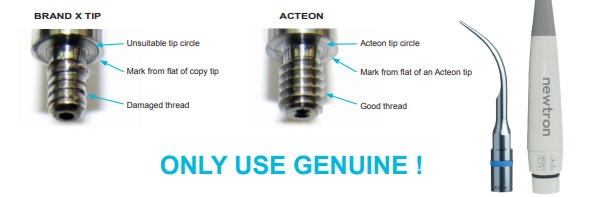
A key part of the Newtron system is precision calibration between the generator, handpiece and tip.
With a portfolio of more than 70 ultrasonic tips covering scaling, hygiene, endodontics, restorative procedures and implant maintenance, Acteon provides versatility across clinical disciplines. All tips are designed for full compatibility with all Acteon handpieces, maintaining the integrity of the Newtron system.
Acteon tips are specifically engineered to work with Acteon handpieces. Using third-party tips on Acteon devices — or Acteon tips on other manufacturers’ units — disrupts this calibration. When that balance is lost, so too are the controlled vibration, safety and ergonomic benefits that define the Newtron system.
For optimal performance, patient safety, and reduce damage to the equipment, the system should function as designed: as one integrated solution.
A Legacy That Still Defines Modern Piezo Dentistry
From Suprasson in the late 1970s to the modern Newtron technology today, Acteon has continually refined piezoelectric technology in dentistry.
For practices exploring piezo ultrasonics, understanding where the technology began helps explain why the Acteon Newtron remains a recognised benchmark today and a reliable device for many clinicians around the world.