Within any workplace there is always a risk associated with the tasks we carry out, no matter what the occupation. Risks imposed can result in a mix of long term and short term injuries. Risk assessments can be carried out but this does not always prevent injuries, and often it is down to bad posture or the repetitiveness of a task. Many people will experience RSI at least once, if not many times in their life. RSI is known as Repetitive strain injury and can be as simple as getting cramp in your hand after hand writing for a prolonged period of time. RSI is mainly associated with short term injury, but if it is not dealt with properly it can lead to more sustained injuries such as carpal tunnel syndrome and thoracic outlet syndrome.
RSI
RSI is the pain felt in muscles, tendons and nerves caused by repetitive movement or overuse. Its symptoms include aching, stiffness, numbness, weakness and cramp and other pains. RSI is known to occur from overworking without taking interval breaks, it is also known to occur from many other factors including:
- Cold working environment
- Vibrating equipment
- Poor posture
It is important when in an environment that makes you prone to RSI that you have are working in a comfortable, adjustable position. Many cases of RSI are caused by equipment not being adjusted properly to suit the person using it. Adjustable equipment can be computers, chairs and other equipment that affects posture.
Carpal tunnel syndrome
Carpal tunnel syndrome is a numbing, tingling, weakness or other pain in your hand due to pressure put onto the median nerve. The median nerve controls movement in your thumb and first three fingers and runs from your forearm down to your hand. This nerve runs through a small space in your wrist called the carpal tunnel.
Carpal tunnel syndrome is caused by pressure on the median nerve and anything that may cause the carpal tunnel to become smaller or swell. Several factors can cause the swelling or shrinking of the carpal tunnel including:
- Pregnancy
- Rheumatoid arthritis
- Diabetes
- Repetitive motion in the wrist (especially if wrist is bent down)


Carpal tunnel syndrome is very common amongst dental professionals. The sustained grips and prolonged awkward postures that must be carried throughout the day means that dentists are 4 times more likely to receive pain in the arm, hand and wrist than a member of the general public. Carpal tunnel syndrome is the most commonly diagnosed amongst dentistry but it is also commonly misdiagnosed as there are other conditions which closely mimic the symptoms, these include:
Cervical radiculopathy
In some cases, the pain received in the hand, wrist or shoulder can originate from the cervical spine. The nerve roots that supply the arm and hand may become compressed at the spinal vertebrae, which results in Cervical radiculopathy. The pain inflicted by this particular condition can be produced by movements in the neck.


Cervical radiculopathy is caused by a pinched nerve, the nerve can be pinched by a herniated disc, degeneration and bone spurs that build up around the nerve roots.
Thoracic outlet syndrome
Thoracic outlet syndrome, much like cervical radiculopathy and carpal tunnel syndrome has symptoms of tingling and numbness in the hands and fingers, but unlike them also produces pain in the neck. The pain is caused by the compression of nerves or blood vessels (or both) due to the inadequate passageway through the thoracic outlet. The thoracic outlet is located between the base of the neck and the armpit, hence the pain in the shoulder and neck occurring.

The thoracic outlet is surrounded by muscle, bone and other tissue, any enlargement of these tissues, such as muscle gain, injury and weight gain, may result in in thoracic outlet syndrome.
Trigger points and nerve entrapment
A trigger point is a sustained contraction inside a muscle, it feels like a hard knot, and stops contraction and relaxation of the muscle it has affected. this decreases the flexibility and range of motion of the muscle tissue. When pressure is applied to the trigger point it often refers the pain to other areas of the body, or may be felt locally. Trigger points usually occur from sustained muscular contraption, asymmetrical postures, ischemia and mental stress. Trigger points can occur in muscle tissue within the forearm, which can apply pressure to the median nerve, which can cause carpal tunnel syndrome like pain.


The cause of pain in the hand or arm can be multifactorial, and although the pain is sourced at the wrist or hand it does not necessarily depict that the pain originates from there. Where ever or however the pain is caused dentists must realise that their occupation puts them at a higher risk to development of these conditions and prevention and intervention strategies must be taken and implemented into daily tasks to reduce the risk in development of the above conditions.
Ergonomic equipment
Ergonomic equipment is a great way to reduce the risk of RSI. Ergonomic equipment is equipment that is shaped to fit the user to give a more natural and comfortable feel, creating less strain on nerves, tendons and muscles associated with the particular activity carried out. Quite often Ergonomic equipment is associated with the hands. Within dentistry there are several hand related pieces of equipment that ergonomically shaped to fit the hand more naturally to reduce the risks of RSI and other conditions.
The first step to preventing RSI, CTS and other conditions is ensuring you have adjustable and ergonomic equipment. Find a few of our products below:
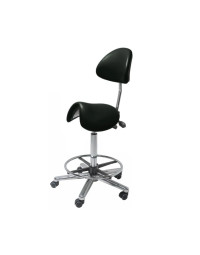
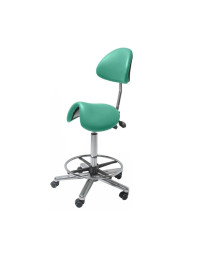
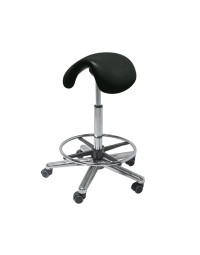
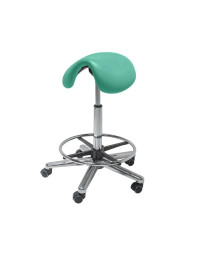
Saddle Seat
Dental Sky’s Saddle Seating is designed to promote optimal seated posture. Sitting on a Saddle Seat properly positions and stabilises the pelvis automatically relieving stress on the lumbar discs and spine. With the Saddle Stool correct lumbar curve is maintained naturally rather than artificially.
- Relaxes the body and minimises muscle tension.
- Relieves posture problems, for example slouching and rounding of the lower back.
- Alleviates neck and shoulder pain and related headaches.
- Promotes good arm-hand control.
- disorder (CTD) and repetitive stress injury (RSI).


ERGOFINGER ASPIRATOR TIPS
When working alone, the aspiration of saliva and other liquids from a patient's mouth using traditional aspiration tips introduces ergonomic limitations and difficulties affecting the performance.
- 360 degree rotation
- Adjustable length
- Ready-to-use (Disposable)
Big Easy Ultralite
Ergonomic, comfort-controlled instruments; Big Easy® scalers and curettes have thicker, softer grips for better control. Up to 30% lighter than other instruments: Advanced technology polymer handles with medical-grade silicone grips offer exceptional lightness and durability on the largest available handle (1/2” diameter) to reduce fatigue.